
Be There
Blog
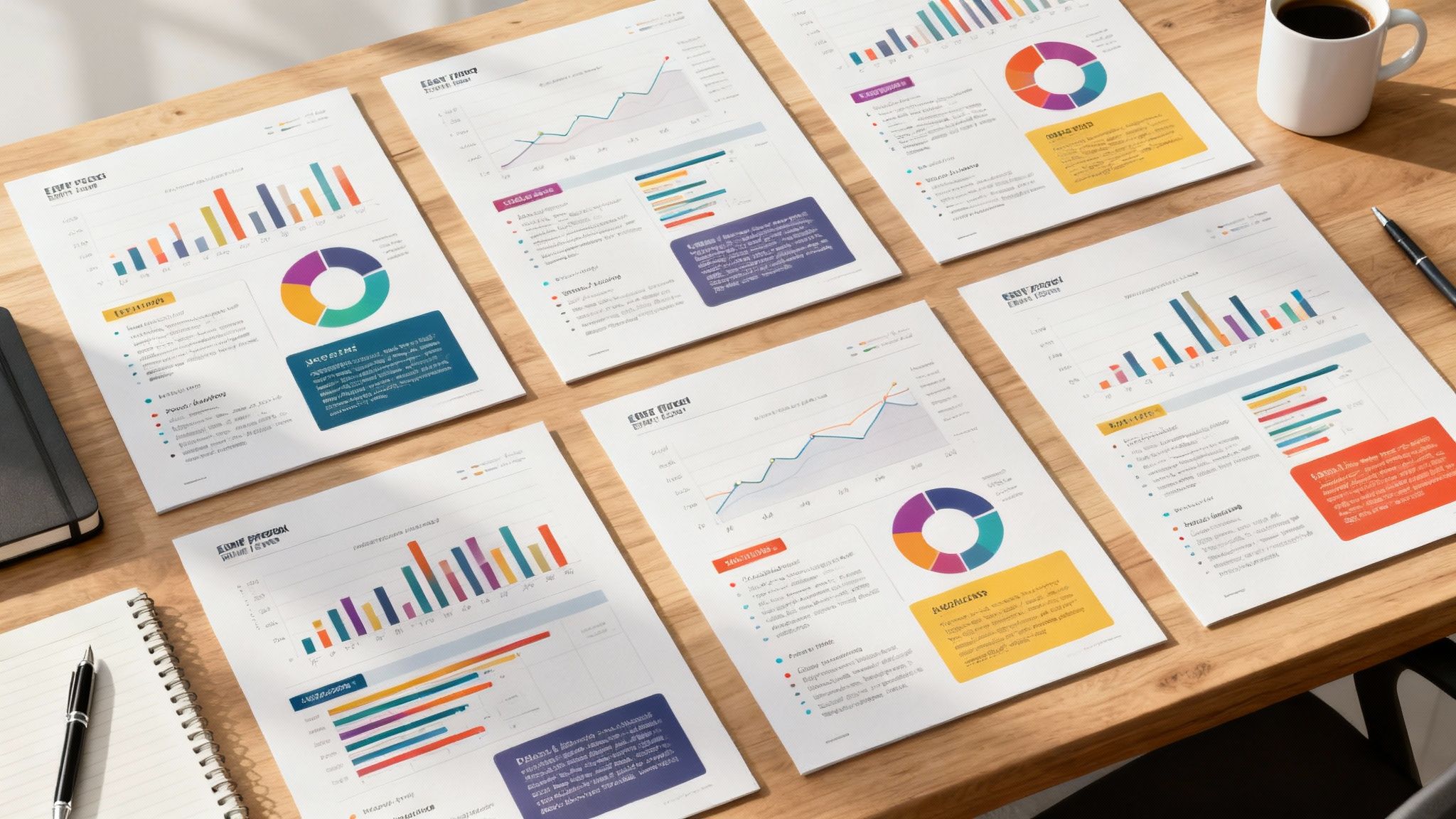
example of an event proposal: 7 winning ideas
By BeThere
Nov 11, 2025 • 20 min read
Share this post


An event proposal is more than just a document; it's your strategic blueprint for convincing stakeholders and securing buy-in. A well-crafted proposal clearly communicates your vision, demonstrates value, and outlines a clear path to success. Without one, even the best ideas can fail to gain the necessary support and resources. This guide breaks down the essential components that make a proposal compelling and effective.
We will dissect seven distinct examples of an event proposal, ranging from large corporate conferences to intimate virtual mixers. For each example, we'll analyze the strategy, structure, and key takeaways you can immediately apply. You'll learn how to present a clear executive summary, detail a realistic budget, and create a compelling call to action that gets your event approved.
Managing the logistics that follow an approved proposal can be a challenge, especially for modern companies where daily operations live in Slack and scheduling happens in Google Calendar. This is where a tool like Be-There becomes essential. It streamlines event coordination by seamlessly integrating the two platforms your team already uses. This simplifies everything from sending invitations to tracking RSVPs directly within Slack, eliminating the need to switch between apps and ensuring your approved plan turns into a flawlessly executed event.
1. Corporate Annual Conference Event Proposal
A corporate annual conference is a cornerstone event for many organizations, bringing together employees, stakeholders, and industry leaders for several days of learning, networking, and strategic planning. A strong proposal for this type of event must be meticulously detailed, covering everything from venue logistics and speaker acquisition to session agendas and technology requirements. It serves as the master plan, convincing decision-makers of the event's value and ROI.
✦Strategic Breakdown
The core purpose of this proposal is to demonstrate alignment with key business objectives, such as boosting employee morale, launching a new product, or strengthening industry partnerships. Unlike smaller events, the scale of a conference like Salesforce's Dreamforce or Microsoft's Ignite requires a proposal that acts as both a pitch and a preliminary project plan. It must clearly outline the event's theme, target audience, and expected outcomes.
A winning proposal for a large conference must also address complex logistics. This includes a detailed budget breakdown, a multi-track agenda, and a robust marketing and communication plan to drive registration and engagement.
Key Insight: The best conference proposals go beyond logistics. They tell a story about why this event is essential now and how it will directly contribute to the company's future success, making it an investment rather than just an expense.
✦Actionable Takeaways
- Define Clear Objectives: Start by outlining 3-5 specific, measurable goals. For example, "Achieve a 90% satisfaction rate on post-event surveys" or "Generate 500 qualified sales leads from partner attendees."
- Build a Detailed Agenda: Create a sample agenda that includes keynote speakers, breakout session topics, networking breaks, and evening activities. This helps stakeholders visualize the attendee experience.
- Integrate Technology Seamlessly: For companies that live in Slack and Google Calendar, managing a multi-track conference schedule is a major hurdle. An app like Be-there solves this by creating a centralized event hub inside Slack. You can manage event details, send updates, and track RSVPs in-channel, while it automatically syncs with everyone's Google Calendar. This shows you have a plan for streamlined communication that works with your company's existing tools. For a deeper dive into the planning process, you can find more information about how to plan corporate events.
2. Product Launch Event Proposal
A product launch event is a high-stakes, marketing-focused gathering designed to unveil a new product or service to the world. Its primary goal is to generate significant buzz, media coverage, and initial sales momentum. A powerful proposal for this type of event must be a masterful blend of creative vision and logistical precision, outlining how the launch will capture the attention of media, influencers, key customers, and industry analysts. It’s the blueprint for creating a memorable experience that defines the product's entry into the market.

✦Strategic Breakdown
The core purpose of this proposal is to build a compelling narrative around the product. Unlike an internal conference, a launch event like those famously held by Apple or Tesla is a public-facing performance. The proposal must detail every element that contributes to this story, from the venue choice and stage design to the keynote script and interactive product demonstrations. It needs to articulate not just what the product is, but why it matters to the target audience.
A successful product launch proposal must also outline a comprehensive pre- and post-event strategy. This includes a media outreach plan, an influencer engagement timeline, and a follow-up marketing campaign to capitalize on the initial excitement. The budget section needs to be meticulous, justifying costs for everything from production and talent to media kits and catering. You can get more information about building out your full promotional strategy in our guide on creating an event marketing plan.
Key Insight: A great product launch proposal focuses on creating an unforgettable experience. It’s not just about presenting features; it’s about crafting a moment in time that makes the audience feel like they are part of something new and revolutionary.
✦Actionable Takeaways
- Craft a Compelling Narrative: Define the single most important message you want the audience to remember. Build the entire event, from the invitations to the keynote, around this core story.
- Secure Key Influencers and Media: Identify and invite a curated list of journalists, bloggers, and industry influencers who can amplify your message. Prepare detailed media kits and offer them exclusive access or interviews.
- Coordinate with Precision: A launch event requires perfect synchronization between marketing, PR, and technical teams. For companies using Slack for communication and Google Calendar for scheduling, an app like Be-there is invaluable. It centralizes the entire event schedule in Slack, from internal briefings to the public livestream, and automatically syncs all updates to Google Calendar. This guarantees every stakeholder is aligned in real-time without the chaos of switching between tools.
3. Nonprofit Fundraising Gala Event Proposal
A nonprofit fundraising gala is a high-profile, mission-driven event designed to secure significant donations and boost awareness for a cause. This type of event proposal must balance elegance with emotion, convincing sponsors and donors that their financial support will create tangible impact. It needs to articulate a compelling narrative while providing a transparent breakdown of fundraising goals, costs, and expected returns.

✦Strategic Breakdown
The core purpose of this proposal is to connect the glamour of a gala directly to the heart of the nonprofit's mission. Unlike corporate events focused on ROI, a gala proposal must showcase emotional ROI, demonstrating how donor contributions translate into real-world change. For events like those hosted by St. Jude Children's Research Hospital, the proposal must weave a powerful story that inspires generosity and long-term loyalty.
A successful gala proposal meticulously outlines the fundraising mechanics, including tiered sponsorship packages, live and silent auction strategies, and ticket pricing models. It also details the event's theme, run of show, and promotional plan to attract the target audience of high-net-worth individuals and corporate partners.
Key Insight: The most persuasive gala proposals are not just about asking for money. They offer a partnership opportunity, inviting stakeholders to become part of a powerful story of change and hope, making the donation feel like a meaningful investment in the community.
✦Actionable Takeaways
- Set Clear Fundraising Goals: Define a specific fundraising target and break it down by revenue stream (e.g., $50k from sponsorships, $30k from ticket sales, $20k from auctions). This builds donor confidence.
- Outline Sponsorship Tiers: Create distinct sponsorship levels with clear, attractive benefits. For example, a "Gold" sponsor might get a VIP table, logo placement on all marketing materials, and a speaking opportunity. When crafting a proposal for a nonprofit fundraising gala, it's essential to include compelling and unique concepts. For inspiration on successful strategies, consider these 10 Proven Nonprofit Fundraiser Event Ideas.
- Streamline Volunteer and Committee Coordination: Managing volunteers often means juggling disparate schedules and communication channels. For nonprofits that rely on the affordability and power of Slack and Google Calendar, a tool like Be-there is a game-changer. It centralizes all event details in a dedicated Slack channel, from committee meeting schedules to volunteer shift reminders, and syncs everything to Google Calendar automatically. This keeps the entire team focused on the mission—a key detail to highlight operational readiness in your proposal.
4. Trade Show Booth Exhibition Event Proposal
Participating in a trade show like CES or a major industry expo requires a proposal focused on maximizing presence, engagement, and lead generation in a competitive environment. The proposal for a trade show booth is less about creating an event from scratch and more about justifying the significant investment in a booth, staff, and marketing within a larger event. It must present a clear strategy for standing out and achieving measurable business outcomes.
✦Strategic Breakdown
The core purpose of this proposal is to demonstrate how the company will capture attention and convert foot traffic into qualified leads. This example of an event proposal must detail the booth's design, on-site activities, staffing plan, and pre-show and post-show marketing campaigns. It needs to prove that the expenditure will generate a positive return on investment through sales, partnerships, or enhanced brand visibility.
A compelling trade show proposal also outlines the target audience personas expected at the event and tailors the messaging and activities specifically to them. It should include a detailed budget covering booth rental, design and construction, technology rentals, shipping, and promotional materials.
Key Insight: A winning trade show proposal frames participation as a strategic sales and marketing mission, not just a logistical exercise. It details every touchpoint, from the pre-show email campaign to the post-show lead nurturing sequence, ensuring every dollar spent contributes directly to business goals.
✦Actionable Takeaways
- Define Lead Generation Goals: Set a specific target for qualified leads. For example, "Capture 300 MQLs (Marketing Qualified Leads) by scanning attendee badges" or "Secure 25 on-site product demos with key decision-makers."
- Outline the Visitor Experience: Detail the booth layout, interactive elements (like AR/VR demos), and the flow of engagement. When developing your proposal for a trade show, it's crucial to outline the strategic use of relevant tradeshow promotional items to attract visitors and create lasting brand recall.
- Coordinate Staffing and Schedules: For teams that rely on Slack for instant communication and Google Calendar for appointments, managing a trade show can be chaotic. A tool like Be-there is the perfect solution. You can create the entire trade show schedule in a Slack channel—assigning booth shifts, setting up client meetings—and it automatically syncs with everyone’s Google Calendar. This ensures the team is perfectly synchronized and no high-value meetings are missed, a critical detail to include in your proposal to demonstrate operational readiness.
5. Virtual/Hybrid Webinar Series Event Proposal
A virtual or hybrid webinar series is a powerful tool for delivering sustained educational content and thought leadership. Instead of a single event, a series consists of multiple sessions scheduled over weeks or months, creating an ongoing conversation with your audience. A proposal for this format must emphasize long-term engagement, content strategy, and the technology required to deliver a seamless experience for both remote and in-person attendees.
✦Strategic Breakdown
The core purpose of this proposal is to position the organization as an industry authority and build a dedicated community around its expertise. Unlike a one-off webinar, a series like those offered by HubSpot Academy or LinkedIn Learning requires a proposal that outlines a content arc, speaker pipeline, and a strategy for audience retention. It must justify the extended commitment by showcasing its potential for lead nurturing and brand loyalty.
A strong proposal for a webinar series also details the technical and logistical plan for maintaining quality over time. This includes choosing a reliable streaming platform, outlining a promotion schedule for each session, and defining how interactive elements like Q&As and polls will be consistently managed to keep audiences engaged.
Key Insight: The most effective webinar series proposals frame the event not as a collection of individual presentations, but as a cohesive educational program. They demonstrate a clear learning path for attendees, making each session a valuable part of a larger, more compelling journey.
✦Actionable Takeaways
- Develop a Content Calendar: Map out the entire series with titles, key topics, and target speakers for each session. This shows foresight and a clear, strategic vision for the content.
- Outline a Multi-Channel Promotion Plan: Detail how you will promote the series as a whole and each individual webinar. Include email marketing, social media campaigns, and partner promotions to drive registration.
- Streamline Attendee Communication: For companies using Slack and Google Calendar, managing recurring event invites and reminders is a prime use case for automation. A tool like Be-there is invaluable here. You can create the entire webinar series in Slack, and it automatically manages Google Calendar invites and sends timely notifications to registrants without manual work. Including this in your proposal demonstrates a clear, efficient plan for execution. For more strategies on this, explore these tips on how to plan virtual events.
6. Community Networking Mixer Event Proposal
A community networking mixer is a low-stakes, high-impact event designed to foster connections among local professionals, entrepreneurs, and community members. Unlike formal conferences, these gatherings are casual and focus on organic conversation and relationship-building. A strong proposal for this type of event emphasizes the value of community and demonstrates a clear plan for creating a welcoming, engaging atmosphere that encourages repeat attendance.
✦Strategic Breakdown
The core purpose of this proposal is to build a vibrant professional ecosystem. For organizations like a local chamber of commerce or a startup incubator, the goal is to create tangible value for members by facilitating meaningful introductions and business opportunities. The proposal must outline not just the logistics, like venue and refreshments, but the strategy for cultivating a comfortable environment that promotes genuine interaction.
This example of an event proposal should detail how the mixer will stand out. This includes specifying the target audience (e.g., tech entrepreneurs, local artisans), the hosting style, and a simple, effective follow-up process. The focus is on consistency and creating a reliable social hub for the professional community.
Key Insight: A successful networking mixer proposal doesn't sell a one-time event; it sells the creation of a community. It convinces stakeholders that this recurring gathering will become an essential fixture for local professionals, strengthening the organization's influence and relevance.
✦Actionable Takeaways
- Establish a Consistent Rhythm: Propose a recurring schedule, such as the first Thursday of every month. This builds a habit among attendees and makes the event a reliable part of their professional calendar.
- Curate the Attendee Experience: Outline a plan to create a warm atmosphere. This can include using name tags with industry identifiers, having hosts facilitate introductions, and using light, themed conversation starters to break the ice.
- Simplify Communication and Follow-Up: For organizations whose members communicate in Slack and manage schedules with Google Calendar, Be-there is a perfect fit. You can create the mixer event in a community Slack channel, and members can RSVP with one click. It automatically syncs to their Google Calendars, keeping everyone informed and making it easy to share post-event resources, like a list of attendees who opted-in, directly within the familiar Slack environment.
7. Educational Workshop or Seminar Event Proposal
An educational workshop or seminar is a focused learning event designed to impart specific skills or knowledge. Lasting from a few hours to a full day, these events are highly structured, featuring expert instructors, interactive exercises, and clear learning outcomes. A strong proposal for a workshop, such as a PMP certification bootcamp or a corporate leadership training, must clearly articulate the educational value and tangible benefits for attendees.
✦Strategic Breakdown
The core purpose of this proposal is to justify the investment in targeted training by outlining specific, measurable learning objectives. Unlike a broad conference, a workshop proposal must detail the curriculum, the instructor's qualifications, and the hands-on activities that ensure knowledge retention. It needs to prove that attendees will leave with applicable skills that address a specific need, whether it's mastering a new software or developing effective management techniques.
A successful workshop proposal also meticulously plans the attendee experience to maximize learning. This includes managing class size for optimal engagement, providing pre-workshop materials to set expectations, and offering post-event resources for continued development. The proposal serves as a blueprint for a transformative educational experience.
Key Insight: The most compelling workshop proposals frame the event not as a one-off training session, but as a critical step in a professional development journey. They clearly connect the workshop's content to real-world job performance and career growth.
✦Actionable Takeaways
- Define Clear Learning Objectives: Start with 3-5 specific outcomes. For example, "Attendees will be able to build a complete project plan using Asana by the end of the workshop," or "Achieve an 85% pass rate on the post-seminar skills assessment."
- Outline a Practical Agenda: Create a sample schedule that breaks down the day into modules, including lecture segments, hands-on practice, group work, and Q&A sessions. This demonstrates a well-considered instructional design.
- Streamline Attendee Communication: For corporate workshops where employees live in Slack and Google Calendar, coordination is key. Including a tool like Be-there in your proposal shows foresight. It lets you organize all workshop details—pre-work, session reminders, feedback surveys—in a dedicated Slack channel and automatically syncs schedules to Google Calendar. This ensures participants are prepared and engaged without adding administrative overhead, making for a smooth and professional event. To explore further on this topic, read about how to host a successful webinar.
Comparison of 7 Event Proposal Types
| Event Type | 🔄 Implementation Complexity | ⚡ Resource Requirements | 📊 Expected Outcomes (⭐) | Ideal Use Cases | 💡 Key Advantages |
|---|---|---|---|---|---|
| Corporate Annual Conference Event Proposal | High — multi-track planning, 6–9 months coordination | Very high — venue, production, AV, staffing, streaming | Strengthens culture, lead generation, brand visibility — ⭐⭐⭐⭐ | Company-wide alignment, large-scale networking, thought leadership | Builds morale and visibility; scalable programming and hybrid options |
| Product Launch Event Proposal | High — tight timeline, precise execution required | High — staging, PR, influencers, media kits | Immediate publicity, product sentiment, early sales — ⭐⭐⭐⭐ | New product reveals, flagship launches, media-driven debuts | Controlled first impression; strong media and influencer impact |
| Nonprofit Fundraising Gala Event Proposal | Medium — formal logistics, donor stewardship | High — upscale venue, catering, auction procurement | Significant near-term revenue and donor cultivation — ⭐⭐⭐⭐ | Major donor fundraising, annual benefit events | High revenue per attendee; strengthens donor relationships |
| Trade Show Booth Exhibition Event Proposal | Medium — booth design, logistics, travel coordination | Medium–High — custom booth, demos, staffing, promotional materials | High volume lead generation; variable lead quality — ⭐⭐⭐ | B2B lead gen, market presence, competitor benchmarking | Concentrated access to qualified prospects; market intelligence |
| Virtual/Hybrid Webinar Series Event Proposal | Low–Medium — platform setup, speaker scheduling | Low — webinar platform, content production, moderation | Scalable reach and measurable engagement; lasting recordings — ⭐⭐⭐ | Ongoing training, lead nurturing, global education | Cost-effective, wide reach, strong analytics and on-demand value |
| Community Networking Mixer Event Proposal | Low — simple planning, informal format | Low — casual venue, light refreshments | Local connections and community building; outcomes vary — ⭐⭐ | Local networking, early-stage community building, casual meetups | Low cost and barrier to entry; encourages authentic conversations |
| Educational Workshop or Seminar Event Proposal | Medium — curriculum design, instructor coordination | Medium — expert facilitators, materials, venue or platform | Measurable skill development and certifications — ⭐⭐⭐⭐ | Professional development, certification prep, hands-on training | Clear learning outcomes; builds expertise and repeat attendance |
Streamline Your Internal Events with Be There
Throughout this guide, we have deconstructed various types of event proposals, from a large-scale corporate conference to a niche community mixer. We analyzed each example of an event proposal not just for its structure, but for the strategic thinking behind every section. The goal was to move beyond templates and into the realm of persuasive, data-driven storytelling that secures buy-in and sets the stage for success.
The core lesson is that a winning proposal is a roadmap. It demonstrates foresight, aligns with stakeholder goals, and clearly communicates value. Whether you are pitching a high-stakes product launch or a simple educational workshop, the principles remain the same: know your audience, define your objectives, detail the logistics, and present a compelling budget.
✦Key Takeaways for Crafting Your Next Proposal
Mastering the art of the event proposal is a powerful skill that elevates you from a simple planner to a strategic partner. To ensure your next pitch is a success, remember these critical points:
- Clarity Over Complexity: Your proposal should be easy to scan and understand. Use headings, bullet points, and concise language to guide the reader through your vision without overwhelming them with dense text.
- Data is Your Ally: Justify your ideas with data. Use past event metrics, market research, or projected ROI to build a strong business case. This transforms your proposal from a creative pitch into a strategic investment.
- The "Why" Matters Most: Every element, from the theme to the budget, must connect back to the event's core purpose. Always be ready to answer, "Why are we doing this?" and "What outcome do we expect?"
- Focus on the Experience: A great proposal paints a vivid picture of the attendee experience. Detail the journey from the moment they receive the invitation to the post-event follow-up.
✦From Proposal to Execution: The Internal Event Challenge
Crafting a brilliant proposal is only the beginning. For internal events, the execution phase often becomes a logistical puzzle of coordinating schedules, sending reminders, and tracking RSVPs. This is particularly true for companies that rely heavily on Slack and Google Calendar, where event details can get lost in crowded channels and conflicting invites.
This is precisely where modern tools can bridge the gap between your well-crafted plan and a flawlessly executed event. Imagine drafting an excellent proposal for a series of internal workshops. You get the green light, but now you have to manage dozens of RSVPs, handle calendar conflicts, and send out constant reminders through email and Slack. The administrative burden can quickly overshadow the strategic value you created in the proposal.
That’s where a dedicated solution becomes invaluable. The first event planner built specifically for Slack, Be There, eliminates this friction. It allows HR managers, team leads, and internal communicators to create, publish, and manage all company events directly within their existing workflow. By integrating seamlessly with Google Calendar, it ensures everyone is in sync. This centralization boosts visibility, increases participation, and frees you to focus on creating a vibrant company culture, turning every proposed internal event into a successful reality.
Ready to turn your approved internal event proposals into seamless, engaging experiences? Be There is the first event planner built for Slack, simplifying everything from workshop scheduling to team happy hours. Stop juggling platforms and start building a better company culture by visiting Be There to see how it works.
Share this post

Planning your internal events has never been easier!
No more scheduling headaches—our Slack-connected web app keeps things simple. Less email, more fun! 🚀
 Prefer a quick walkthrough?